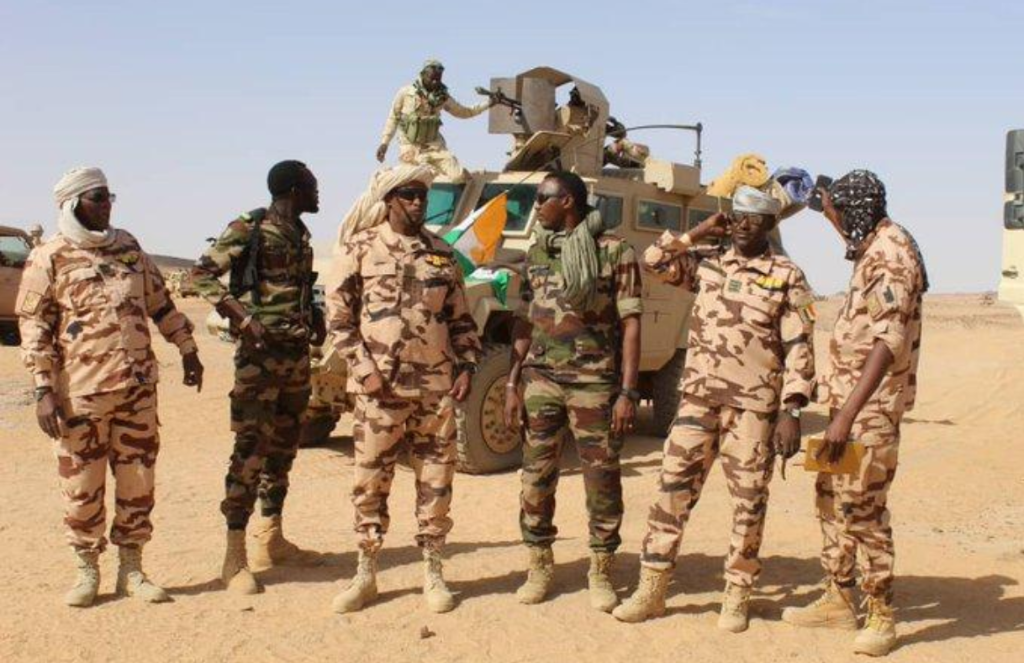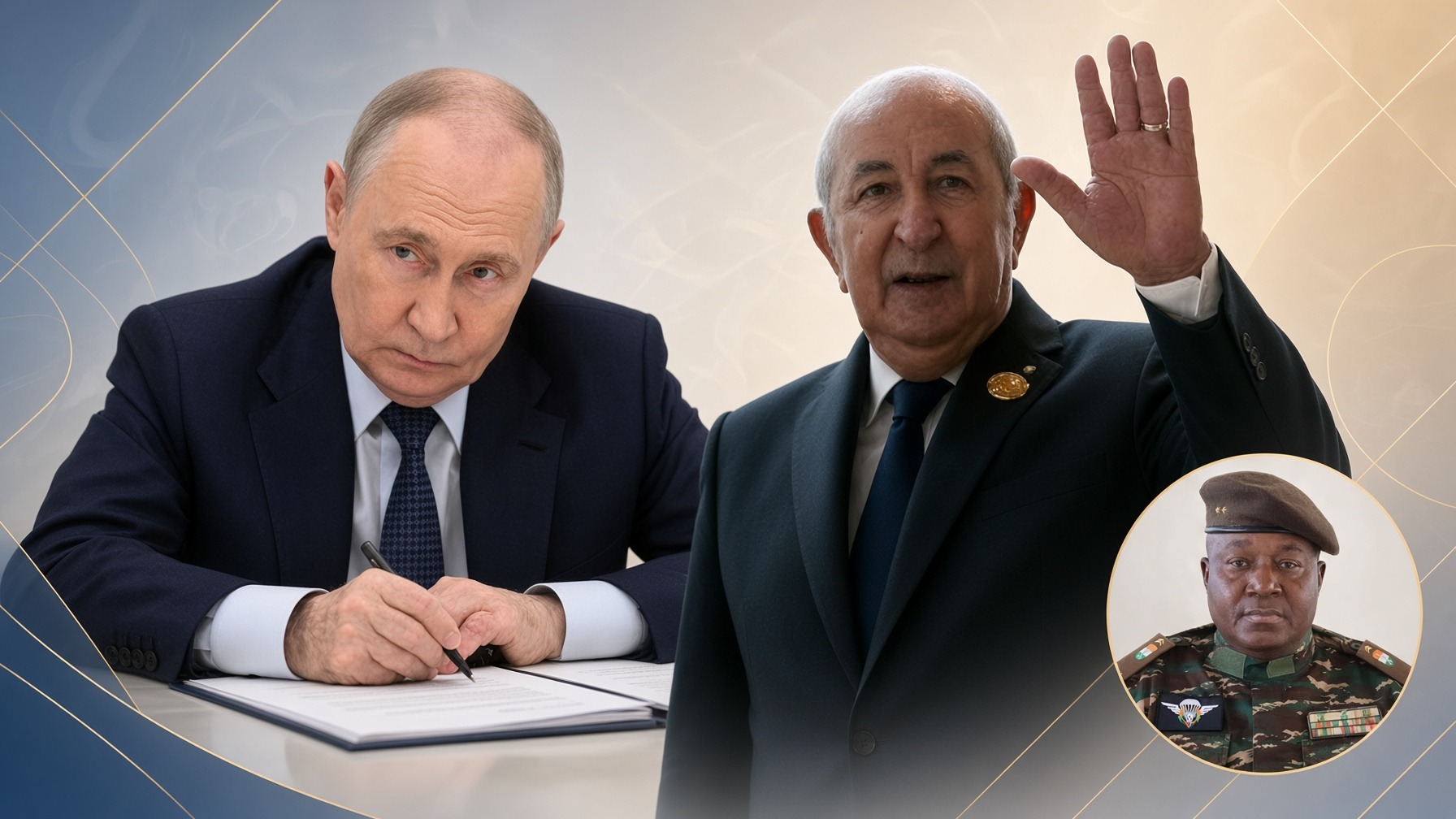
The unexpected decision by Algeria’s parliament to approve the deployment of regular troops to Niger has sent shockwaves through the Sahel, upending Moscow’s carefully crafted security dominance in the region. This unprecedented move, the first of its kind in half a century, marks the beginning of a new era in Saharan geopolitics — one where Algeria and Russia find themselves locked in a silent confrontation over Niger’s strategic future.
The end of Russia’s exclusive grip on Sahel security
Since the political transition in Niamey, Russia has aggressively expanded its military footprint in Niger, positioning itself as the primary defense partner. Through high-value arms deals worth hundreds of millions of dollars, including advanced air defense systems, tactical drones, attack helicopters, and the deployment of paid instructors from Africa Corps, Moscow has secured a firm foothold. But Algeria’s military intervention threatens to dismantle this carefully constructed model:
- Undermining Russia’s monopoly: Algeria’s offer of security assistance, backed by a well-equipped and professional military, reduces Niger’s need to continue purchasing expensive Russian military hardware in large quantities.
- Challenging extractive concessions: The presence of Algeria’s national army weakens Moscow’s ability to use military presence as leverage to secure mining and oil concessions, a key revenue stream for its mercenary operations.
- Competing over maintenance and support: While much of Niger’s military equipment originates from Soviet-era designs, Algeria possesses the technical expertise and infrastructure to maintain and repair this machinery, cutting Russia out of lucrative long-term service contracts.
Protecting Algeria’s energy lifelines amidst rising paramilitary threats
For Algeria, the decision to send troops is driven by a critical need to neutralize what it views as a growing Russian paramilitary presence near its southern border — a development that could destabilize its own economic interests in Niger. The North African nation is particularly concerned about safeguarding two megaprojects:
- The Kafra oil field: Operated by Algeria’s state-owned Sonatrach through its subsidiary SIPEX, this highly productive block holds tens of millions of barrels and lies at the heart of industrial cooperation between Algiers and Niamey.
- The Trans-Saharan Gas Pipeline (TSGP): This ambitious trans-African project aims to transport over 30 billion cubic meters of Nigerian gas annually to Europe via Niger and Algeria. Protecting the pipeline corridor requires absolute control over the Saharan belt — something incompatible with the presence of non-state armed actors.
By deploying its troops, Algeria is not only securing its energy investments but also signaling a clear message to Moscow: its critical infrastructure will not fall under Russian oversight or influence.
From client to rival: Algeria breaks ranks with Moscow in the Sahel
Historically, Algeria was one of Russia’s top clients in the African defense market. Today, it is using its own military strength to counterbalance and even obstruct Russia’s ambitions in Niger. This shift forces the Nigerien junta to reconsider its unconditional alignment with the Kremlin, creating a major fissure within the Alliance of Sahel States (AES).
Moscow, which had viewed the Sahel as a conquered territory for its security and mercenary operations, now faces an unexpected obstacle: Algeria’s economic and military leverage. The Sahara has quietly become a battleground where yesterday’s arms sales no longer guarantee today’s control on the ground.
The deployment of Algeria’s national army to Niger is more than a strategic pivot — it is a declaration of sovereignty. For Niamey, it offers a rare opportunity to renegotiate its financial and security dependence on Russia. For Algeria, it reaffirms its role as the indispensable gatekeeper of the Sahel. And for Moscow, it signals the collapse of its dream of unchallenged dominance in the region. What follows will be a period of tense cohabitation — and perhaps escalation — in one of Africa’s most volatile regions.
What comes next: shifting alliances and uncertain fallout
The geopolitical landscape of the Sahel is now in flux. Algeria’s bold move has introduced a new variable into what was supposed to be a Russian-controlled security narrative. Several key outcomes are likely in the coming months:
- Diversification of Niger’s security partnerships: Niamey may seek to balance its engagements, exploring alternatives to exclusive reliance on Russia and Africa Corps.
- Renegotiation of mining and energy deals: With Algeria’s military on the ground, Niger could face pressure to revise contracts, especially in oil and gas, to align with Algiers’ interests.
- Escalation in proxy competition: Russia may respond by increasing its military or paramilitary presence, or by leveraging economic dependencies in other sectors to counter Algeria’s influence.
- Regional realignment: The AES may fracture further as Algeria asserts a more independent foreign policy, potentially isolating Moscow from its closest allies in the bloc.
The shadow war in the Sahara has just entered a new chapter. Whether it escalates into open confrontation or leads to a tense but stable cohabitation will depend on how each actor calibrates its next move — and how far Algeria is willing to go to protect its interests in the Sahel.